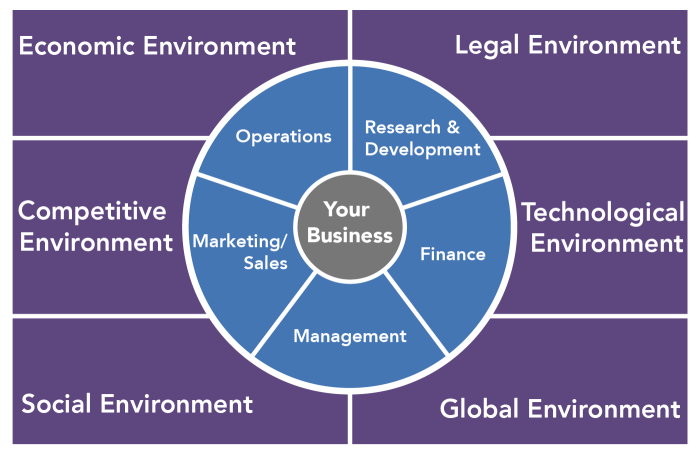
Business money management tips are essential for any entrepreneur aiming for success. Navigating the financial landscape can be challenging, but with the right techniques, you can streamline your budgeting processes, ensure a positive cash flow, and keep expenses in check. In this guide, we explore practical strategies that not only enhance financial stability but also integrate branding and growth into your overall business strategy.
By understanding the connection between effective money management and branding, you can create a powerful synergy that propels your business toward financial prosperity. Whether you’re tracking expenses or aligning branding initiatives with your budget, these insights will empower you to make informed decisions that drive your business forward.
Business Money Management Techniques
Effective money management is crucial for the success of any business. It requires a strategic approach to budgeting, cash flow, and expense tracking. Implementing sound money management techniques can lead to better financial health, sustainability, and growth. This section delves into various strategies that can help businesses optimize their financial management practices.
Budgeting Strategies in Business Operations
Creating a solid budget is the foundation of effective financial management. A well-structured budget helps in forecasting revenues and expenditures, ensuring that resources are allocated wisely. The following strategies can enhance budgeting processes:
- Zero-Based Budgeting: This approach requires justifying all expenses from scratch for each new period. It encourages cost management by aligning spending with business priorities.
- Flexible Budgeting: This type of budget adjusts for varying levels of activity. It allows businesses to adapt their budgets based on actual performance, making it easier to respond to market changes.
- Rolling Forecasts: Instead of an annual budget, rolling forecasts provide continuous, updated projections. This method helps businesses to remain agile and better anticipate future financial needs.
Importance of Cash Flow Management
Cash flow management is essential for a business’s liquidity and operational efficiency. Proper management ensures that a company can meet its financial obligations while also investing in growth opportunities. Enhancing cash flow can be achieved through several methods:
- Regular Cash Flow Projections: Creating monthly cash flow forecasts allows businesses to anticipate cash shortages or surpluses, enabling proactive adjustments.
- Improving Receivables Collection: Streamlining invoicing and implementing prompt payment discounts can reduce the time it takes to collect payments from customers.
- Optimizing Inventory Levels: Keeping inventory at optimal levels minimizes excess costs and improves cash availability. Implementing just-in-time inventory can be an effective approach.
Expense Tracking and Cost Control Methods
Tracking expenses is vital to maintaining a healthy financial status. It allows businesses to identify and cut unnecessary costs while ensuring that spending aligns with the budget. Effective methods for expense tracking and cost control include:
- Automated Expense Tracking Tools: Utilizing software can simplify tracking by categorizing expenses and generating reports, making it easier for businesses to analyze their spending.
- Implementing Cost-Reduction Strategies: Conducting regular reviews of expenses can help identify areas where costs can be cut without sacrificing quality, such as renegotiating contracts with suppliers.
- Employee Training and Awareness: Educating staff about cost implications can foster a culture of cost control within the organization, encouraging employees to be mindful of expenditures.
“Effective money management is not just about cutting costs, but about making informed decisions that drive growth.”
Financial Expert
Integrating Branding with Money Management

Branding and money management are intrinsically linked in the world of business. Effective branding not only sets a company apart from its competitors but also plays a critical role in shaping financial success. When customers resonate with a brand, they are often willing to pay a premium, which directly influences a company’s profitability and cash flow.The relationship between brand perception and pricing strategies cannot be overstated.
A strong brand creates an image of quality and reliability in the minds of consumers. This perception allows businesses to adopt pricing strategies that reflect their brand value rather than just their cost of goods sold. For instance, brands like Apple and Nike have successfully built a reputation that enables them to price their products higher than many competitors without losing sales.
This strategy demonstrates the importance of investing in branding to facilitate better pricing power in the marketplace.
Aligning Branding Initiatives with Budget Allocation
To maximize the impact of branding on financial performance, businesses should create a strategic plan that aligns branding initiatives with their budget allocation. This alignment ensures that resources are effectively utilized to enhance brand visibility and value. The following steps Artikel a structured approach to this integration:
1. Define Brand Objectives
Establish clear branding goals such as increasing brand awareness, enhancing brand loyalty, or entering new markets. These objectives should align with overall business goals to ensure cohesion.
2. Conduct Market Research
Understand customer demographics, preferences, and perceptions of the brand. This data helps in making informed decisions about where to allocate budget resources for maximum impact.
3. Allocate Budget Based on Impact
Identify which branding initiatives yield the highest return on investment. This could include digital marketing campaigns, sponsorships, or influencer partnerships. Prioritize funding for those initiatives that resonate most with target audiences.
4. Implement Performance Metrics
Track key performance indicators (KPIs) related to branding initiatives, such as customer engagement, website traffic, and sales growth. Monitoring these metrics helps in adjusting strategies and reallocating budgets as needed.
5. Enhance Consistency Across Channels
Ensure that branding messages and visuals are consistent across all platforms. This consistency reinforces brand identity and can lead to higher consumer trust and loyalty.
6. Evaluate and Adjust Regularly
Branding is an ongoing process. Regularly review the effectiveness of branding initiatives and make necessary adjustments to budget allocations based on performance and market trends.By following these steps, businesses can effectively integrate branding with money management, leading to enhanced financial outcomes and a stronger market position.
“Effective branding can transform customer perception, allowing businesses to leverage pricing strategies that enhance profitability.”
Business Development and Financial Growth
In today’s competitive landscape, understanding the intersection of business development and financial growth is crucial for sustainability and success. A business’s ability to grow and expand hinges not only on innovative ideas but also on strategic financial management. Here, we will delve into essential financial metrics, Artikel a roadmap for strategic alignment, and explore innovative financing options that can help businesses enhance their services and products.
Key Financial Metrics Influencing Business Development Decisions
Identifying and analyzing key financial metrics is vital in making informed business development decisions. These metrics serve as indicators of financial health and guide strategy formulation. Important metrics include:
- Gross Profit Margin: This indicates the percentage of revenue that exceeds the cost of goods sold, showcasing the efficiency of production.
- Return on Investment (ROI): A critical measure of profitability, ROI assesses the return generated on investments, helping prioritize resource allocation.
- Current Ratio: This liquidity measure indicates the ability to cover short-term obligations, reflecting financial stability.
- Debt-to-Equity Ratio: This ratio assesses financial leverage and risk, guiding decisions on financing options.
Understanding these metrics allows businesses to make strategic decisions that align with financial goals and operational capabilities.
Roadmap for Aligning Business Strategy with Money Management Principles
To effectively align business strategy with sound money management principles, companies can follow a structured roadmap. This roadmap includes essential steps that create synergy between strategic goals and financial practices:
- Define Clear Objectives: Establish specific, measurable goals that reflect both business aspirations and financial targets.
- Conduct Financial Analysis: Regularly review financial statements and performance metrics to ensure alignment with strategic objectives.
- Budgeting and Forecasting: Develop robust budgets that accommodate business strategies while accounting for anticipated costs and revenues.
- Performance Monitoring: Implement ongoing tracking mechanisms to assess the effectiveness of strategies against financial performance.
By following these steps, businesses can ensure that their strategies are grounded in financial realities, fostering long-term growth.
Innovative Financing Options for Expanding Business Services and Products
In an evolving marketplace, exploring innovative financing options can be pivotal for businesses looking to expand their offerings. Several modern financing solutions can provide the necessary capital without the traditional burdens associated with loans:
- Crowdfunding: Platforms like Kickstarter and Indiegogo allow businesses to raise funds directly from consumers, effectively validating ideas and generating upfront capital.
- Revenue-Based Financing: This model allows businesses to receive capital based on future revenue, minimizing risk and providing flexibility in repayments.
- Angel Investors and Venture Capital: Attracting investment from individuals or firms can provide not only capital but also mentorship and strategic guidance.
- Peer-to-Peer Lending: This alternative financing option connects borrowers directly with lenders, often resulting in lower interest rates than traditional banks.
Utilizing these innovative financing methods can propel business expansion by allowing for greater investment in service development and product innovation, ultimately enhancing competitiveness in the marketplace.
Final Summary
In conclusion, mastering business money management tips is crucial to achieving long-term financial health and growth for your enterprise. By implementing effective budgeting strategies, enhancing cash flow, and aligning your branding with financial goals, you position your business for sustained success. Remember, the journey of financial management is ongoing, and with these tips in hand, you’re well-equipped to navigate it with confidence.
Detailed FAQs
What are the most important aspects of business budgeting?
Key aspects include setting realistic financial goals, tracking income and expenses, and regularly reviewing and adjusting your budget to reflect changes in your business environment.
How can I improve my cash flow management?
Improving cash flow management can involve forecasting cash flow needs, speeding up receivables collection, and optimizing inventory levels to ensure you have enough cash on hand.
What role does branding play in financial success?
Branding influences customer perception and loyalty, which can significantly impact sales and pricing strategies, ultimately affecting your bottom line.
How often should I review my financial plan?
It’s advisable to review your financial plan at least quarterly, or whenever there are significant changes in your business or market conditions.
What financing options are available for business growth?
Options include traditional bank loans, lines of credit, crowdfunding, and venture capital, each offering unique advantages depending on your business needs.


